Ten Questions To Ask Before Booking An Active Holiday (When You’re Not Very Active)
Active holidays can look amazing on Instagram: people hiking along ridgelines, gliding along cycle paths, or kayaking across mirror‑still lakes.
But what if you are not very active in day‑to‑day life? Maybe you:
Sit at a desk most of the week
Enjoy walking, but only on the flat
Like the idea of cycling or hiking, yet worry you will hold everyone up
The good news: you absolutely can enjoy an active or “soft adventure” holiday without being super‑fit. The key is choosing the right trip, asking the right questions, and being honest about what will feel enjoyable rather than punishing.
These ten questions will help you (and your travel professional) design an active break that feels do‑able, confidence‑boosting and fun.
1. What does “active” actually mean on this trip?
“Active” can mean very different things depending on the holiday:
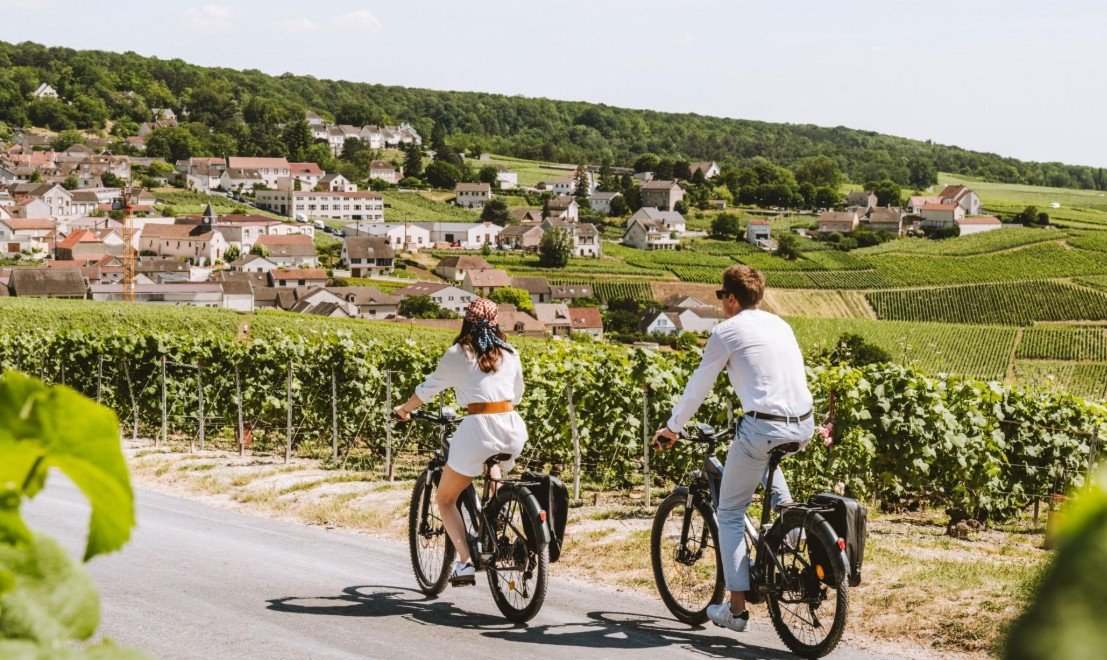
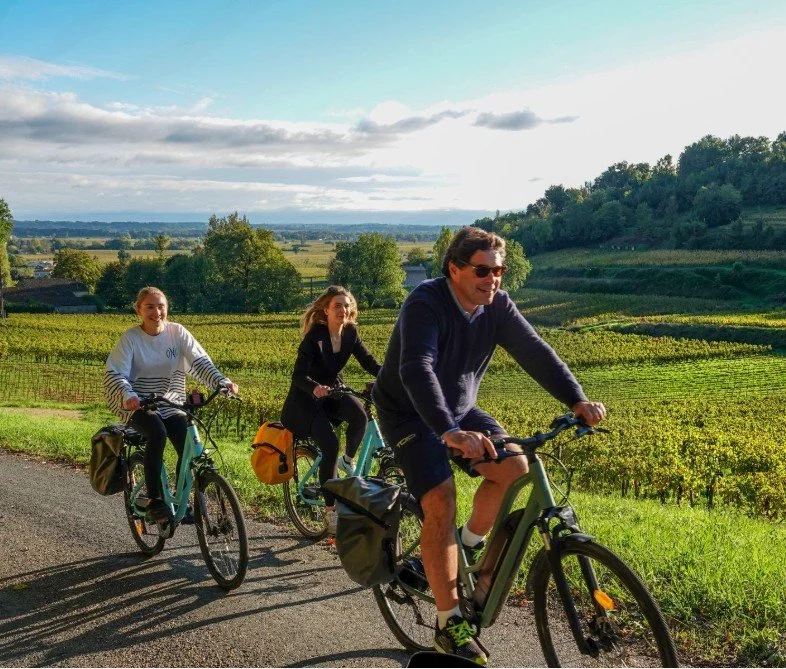
A gentle e‑bike ride between vineyards with a support van on call
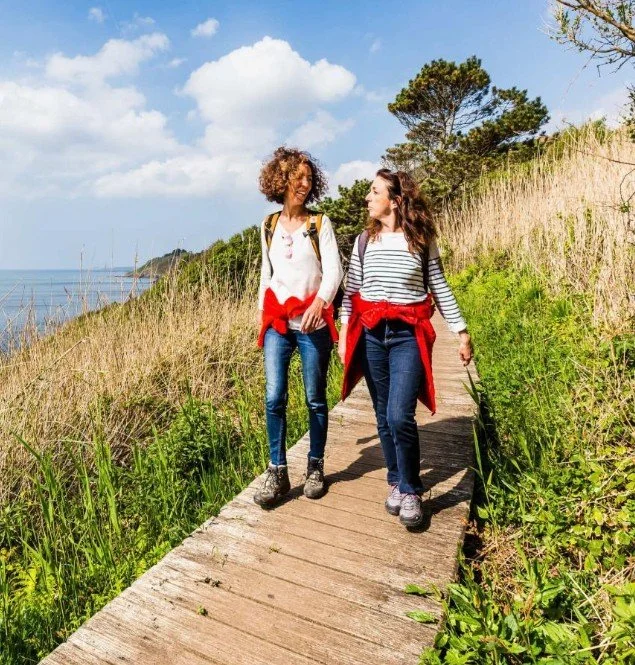
Short, guided walks on well‑made paths
Full‑day hikes with steep ascents and descents
Multi‑day treks or challenging road‑cycling
Before you book, ask for a plain‑English description of what “active” means:
How many hours a day will I be moving?
Are the surfaces mostly paved, gravel, or rocky?
Are there big hills, steps or altitude to consider?
If the description is full of jargon (grades, levels, colour codes) ask for it to be translated into what it will actually feel like in your body on the day.
2. How much choice is there in distance and difficulty?
A good active holiday for “non‑sporty” people builds in options. Look for:
Shorter and longer versions of the same route
The ability to skip a section and rejoin the group later
Different activity choices on the same day (for example, a spa afternoon instead of another bike ride)
Ask:
“If I wake up and the long walk feels too much, what are my alternatives?”
“Can distances be shortened if I’m tired?”
If the answer is essentially “no, we all do the same big route”, that trip may be better suited to already‑active travellers.
3. Is there vehicle support or easy transport back?
This is a big one if you are nervous.
On some cycling or walking holidays, a support vehicle can:
Carry bags, water and snacks
Pick you up if you get tired or the weather turns
Leapfrog ahead so you can ride or walk the best sections rather than every kilometre
Even without a dedicated support van, there may be:
Trains or local buses along the route
Taxis you can call if needed
A base hotel with circular day trips instead of point‑to‑point routes
Ask:
“If I have had enough halfway, how easy is it for me to stop?”
If there is no simple way to bail out, you are committing yourself to the full distance whether you enjoy it or not.
4. What kind of equipment will I be using?
The right equipment can transform how hard or easy something feels.
For example:
E‑bikes flatten out hills and suit “cycling for softies” brilliantly
Trekking poles can make walking downhill much easier on knees and hips
High‑quality, well‑fitted bikes are more comfortable than old, heavy ones
Good boots can prevent slips and blisters on trails
Ask:
“Are e‑bikes available?”
“Is equipment included, and what standard is it?”
“Will someone help fit the bike/boots properly to me?”
Do not be shy about requesting e‑bikes or other support tools. They are not “cheating”; they are what make the holiday viable and enjoyable for many people.
5. How realistic is the daily timetable for me?
An itinerary might say “4–5 hours walking”, but what does that really look like?
Clarify:
Start times: Are you up at 6am every day, or is there a relaxed breakfast and 9:30 start?
Breaks: How often do you stop? How long for lunch?
Pace: Is the schedule written for strong walkers/cyclists, or is there slack built in?
Be honest with yourself: if you rarely walk more than an hour at home, back‑to‑back 6‑hour hiking days are likely to feel like hard work, however beautiful the scenery.
A good active itinerary for less‑active travellers:
Mixes half‑day activities with free time
Has at least one genuinely lighter/recovery day
Includes weather and rest flexibility
6. Who else is this trip designed for?
Group dynamics matter. Ask:
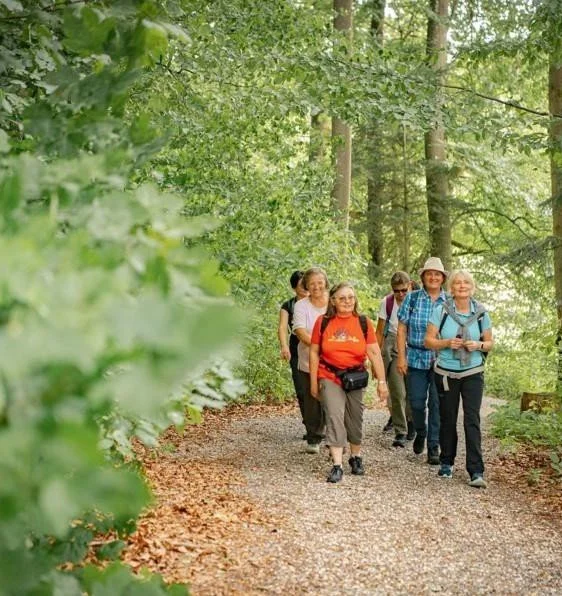
“What is the typical age range?”
“Do you get a lot of first‑timers, or mainly experienced hikers/cyclists?”
“Is this trip marketed as ‘challenging’ or ‘gentle/introductory’?”
If everyone else is training for marathons or doing club rides at home, you may feel under pressure to keep up, even if the brochure calls it “moderate”.
By contrast, trips explicitly designed as:
“Introductory”,
“Leisurely”,
“Soft adventure”, or
“E‑bike and wine”
are usually far kinder for people who are not very active.
7. What happens if the weather is bad?
On active holidays, weather can change the feel of an activity more than the distance does.
A gentle riverside ride in sunshine may be delightful. The same route in cold sideways rain could feel miserable.
Ask:
“What are the wet‑weather or hot‑weather back‑up plans?”
“Can we switch a ride or hike for sightseeing, wine tasting or a spa afternoon if needed?”
Look for itineraries based in areas with:
Interesting towns or villages to explore
Easy wine or food experiences
Comfortable hotels where you won’t mind an unexpected slow afternoon
This is where coastal towns, wine regions and characterful cities work beautifully for soft adventure: there is always something pleasant to do if the elements do not co‑operate.
8. What level of support will I get from guides?
A supportive guide makes a huge difference, especially if you are anxious about your fitness.
Ask:
“Are the guides used to mixed ability groups?”
“Will the pace be adapted to the slowest, or do you split into faster and slower groups?”
“Do the guides speak good English and check in with guests about how they are feeling?”
Look for:
Guides who brief honestly about distances and terrain
A culture of encouragement rather than competition
Clear information about how often the group regroups and whether anyone is ever left behind
If you are booking privately through a travel professional, let them know you would like guides who are patient, encouraging, and used to working with less‑confident or older travellers.
9. How will my health conditions or worries be handled?
If you have:
Joint issues
Heart or respiratory concerns
Balance problems
Anxiety about narrow paths, heights or water
it is much better to talk about this early than to keep quiet and hope for the best.
Questions to cover:
“Is there anything about this itinerary (altitude, heat, steep descents, long days) that might be a concern with my condition?”
“Can the routes be adapted if I need to avoid certain things?”
“How remote are we if I decide not to do a particular day?”
A good travel planner will:
Build in gentler options and escape routes
Avoid activities that are obvious red flags for your specific situation
Help you focus on what will make you feel safe, not just what looks impressive on paper
10. What does a ‘successful’ trip look like for me?
Finally, step back from the brochure and think about what success really means to you.
Is it:
Coming home feeling proud that you tried e‑biking for the first time?
Enjoying beautiful scenery at a comfortable pace, with long lunches and good wine?
Gently stretching yourself without feeling broken every evening?
Spending quality, screen‑free time with your partner or friends?
Once you know what matters most, say it out loud to your travel professional. For example:
“I want some gentle activity, but I really don’t want to feel rushed or pressured.”
“I’d be delighted with one proper e‑bike day and one shorter ride, plus time to relax.”
“I’m more interested in atmosphere, food and scenery than in racking up distances.”
When your planner understands this, they can build an itinerary around your version of active, not someone else’s.
How a good travel planner can help
If you are not very active, an off‑the‑shelf “active holiday” can easily be too much. A tailor‑made approach lets you:
Choose e‑bikes instead of standard bikes
Mix short walks and rides with spa time, wine tasting or culture
Build in vehicle support and escape options
Enjoy destinations at their best season for comfortable temperatures, not extremes
Working with someone who knows the terrain and suppliers means you do not have to decode all of this alone. You can simply say, “I’d love something active, but I’m not very fit,” and let the detail be shaped around you.
Ready to explore a ‘cycling for softies’ or gentle active escape?
If an idea like e‑biking between vineyards, strolling coastal paths or combining light activity with beautiful hotels appeals, I’d be delighted to help you shape a trip that feels exciting, but still comfortably within reach.
Contact me to start planning your own soft‑adventure holiday that fits you, not your step count.